




ไม่แน่นอนที่เกิดขึ้นทั่วโลก โดยผลสำรวจมาจากการเก็บข้อมูลเชิงลึกของผู้เดินทางจำนวนกว่า 10,000 คนจาก 10 ประเทศในภูมิภาคเอเชียแปซิฟิกเพื่อศึกษาว่าปัจจัยอะไรบ้างที่ทำให้การเดินทางเป็นประสบการณ์ที่น่าจดจำ ปราศจากความเครียด และคุ้มค่าสำหรับพวกเขา
รายงานดัชนีความสุขในการเดินทางนี้ได้รวบรวมข้อมูลของผู้เดินทางใน 2 มิติ ได้แก่ ปัจจัยสำคัญที่พวกเขามองว่าจะช่วยทำให้ทริปนั้นเป็นทริปที่ดี และปัจจัยที่พวกเขาให้ความสำคัญมากที่สุดเมื่อต้องตัดสินใจเลือกสิ่งต่าง ๆ จากการวิเคราะห์พฤติกรรมทั้งสองมิติจะพบว่าความสุขจากการเดินทางไม่ได้ขึ้นอยู่กับประสบการณ์ที่ผู้เดินทางมองหาเพียงอย่างเดียว แต่ยังรวมถึงความมั่นใจ ความสบายใจ และความอุ่นใจที่ช่วยเสริมสร้างให้ประสบการณ์เหล่านั้นเป็นจริงได้
การเดินทางนำมาซึ่งความสุข แต่ความสุขจากการรอคอยก็มีความหมายไม่แพ้กัน
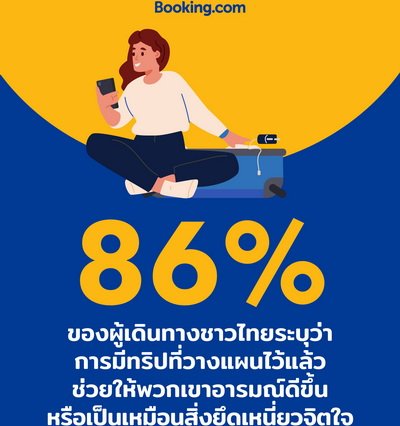
ผู้เดินทางในภูมิภาคเอเชียแปซิฟิกระบุว่าการออกเดินทางท่องเที่ยวไม่ได้เป็นเพียงเป็นสิ่งสำคัญต่อพวกเขาเท่านั้น แต่ยังนำมาซึ่งความสุขตั้งแต่ก่อนที่ทริปจะเริ่มต้นขึ้น สำหรับผู้เดินทางชาวไทย (100%) การท่องเที่ยวก่อให้เกิดความรู้สึกเชิงบวก ขณะที่หลายคนมองว่าการเดินทางมีบทบาทสำคัญต่อสุขภาวะทางจิตและอารมณ์ของพวกเขา ยิ่งไปกว่านั้น นอกจากพวกเขาจะมองว่าการเดินทางช่วยเติมพลังแล้ว 86% ของผู้เดินทางชาวไทยยังรายงานอีกว่าการมีทริปท่องเที่ยวที่วางแผนไว้แล้วให้นึกถึงยังช่วยให้อารมณ์ดีขึ้น และ 3 ใน 4 ของพวกเขา (75%) ระบุว่าการตั้งหน้าตั้งตารอคอยทริปที่จะมาถึงทำให้พวกเขารับมือกับภาระหน้าที่ในชีวิตประจำวันได้ ไม่เพียงเท่านี้การวางแผนการเดินทางเพิ่มความรู้สึกของการรอคอยได้ โดย 56% ของผู้เดินทางชาวไทยพบว่าพวกเขารู้สึกสนุกเพลิดเพลินไปกับการวางแผนการเดินทางด้วยตัวเอง
อย่างไรก็ตาม การเดินทางยังมีความท้าทายที่ต้องเผชิญอยู่ โดยผู้เดินทางชาวไทยบางส่วนกล่าวว่าการท่องเที่ยวในแต่ละครั้งทำให้พวกเขารู้สึกเหนื่อยหรือหมดแรง (26%) รู้สึกกดดันที่จะต้องเที่ยวให้คุ้มค่าที่สุด (24%) รวมถึงรู้สึกไม่มั่นใจ (21%) และเป็นกังวล (12%)
ความรู้สึกเหล่านี้แตกต่างกันไปในแต่ละพื้นที่ โดยผู้เดินทางชาวเกาหลีใต้มีแนวโน้มสูงที่สุดที่มีความรู้สึกเชิงลบกับการเดินทาง (79%) ตามด้วยผู้เดินทางชาวอินเดีย (71%) และผู้เดินทางชาวญี่ปุ่น (64%) ในทางกลับกัน ผู้เดินทางชาวจีนมีแนวโน้มที่จะมีความรู้สึกเชิงบวกต่อการท่องเที่ยวมากที่สุด ด้วยจำนวนเกินกว่าครึ่ง (59%) รายงานว่าพวกเขาไม่เคยมีความรู้สึกเชิงลบต่อการท่องเที่ยวเลยแม้แต่น้อย
ทุกวันนี้ ผู้เดินทางพยายามสร้างสมดุลระหว่างความต้องการประสบการณ์การเดินทางที่น่าจดจำกับความคาดหวังที่มีต่อ รายละเอียดเกี่ยวกับการเดินทาง รวมถึงความเป็นจริงและข้อจำกัดของการเดินทางในยุคปัจจุบัน ด้วยเหตุนี้เองทริปเที่ยวที่ราบรื่น ไร้ความยุ่งยาก และมีความเครียดน้อยจึงมีความสำคัญไม่ต่างกับประสบการณ์ที่ได้รับ
ความเรียบง่ายคือหัวใจสำคัญของ “ความคุ้มค่า” รูปแบบใหม่
ผู้เดินทางชาวไทยเริ่มค้นพบว่าความรู้สึกอิ่มเอมใจที่เพิ่มมากขึ้นไม่ได้มาจากแค่แผนการเดินทางที่แน่นขนัดหรือการได้ทำตามเป้าหมายที่อยากทำ แต่กลับเป็นช่วงเวลาที่เรียบง่ายและมีความหมายระหว่างการเดินทาง ซึ่งการได้ชื่นชมทัศนียภาพทางธรรมชาติ (38%) การได้ลิ้มรสอาหารและเครื่องดื่มคุณภาพดี (27%) และการได้ใช้เวลาดี ๆ ร่วมกับเพื่อนร่วมทริป (26%) ล้วนช่วยเพิ่มความพึงพอใจต่อการเดินทาง โดยเฉพาะอาหารซึ่งเป็นแหล่งความสุขที่พิเศษสำหรับผู้เดินทางจากประเทศญี่ปุ่น สิงคโปร์ เกาหลีใต้ เวียดนาม และประเทศไทย
นอกจากนี้หัวใจหลักของทริปที่เต็มไปด้วยความสุขคือการได้สร้างสัมพันธ์ ไม่ว่าจะเป็นความสัมพันธ์กับเพื่อนร่วมทริป ครอบครัว หรือผู้คนและสถานที่ที่ได้พบเจอขณะเดินทาง โดยผู้เดินทางชาวไทย 69% ระบุว่าทริปครอบครัวเป็นทริปที่สนุกที่สุดสำหรับพวกเขา
นิยามใหม่ของสิ่งที่ทำให้ทริปท่องเที่ยวคุ้มค่ากำลังเปลี่ยนวิธีการวางแผนการเดินทางของผู้เดินทางชาวไทยโดยคำนึงถึงจุดมุ่งหมายและคุณค่ามากขึ้นกว่าเคย
– มากกว่า 3 ใน 4 (76%) ให้ความสำคัญกับการได้ลิ้มรสอาหารท้องถิ่น เพื่อเพิ่มเข้าไปเป็นหนึ่งในประสบการณ์ที่น่าจดจำสำหรับทริปของพวกเขา
– 72% ของผู้เดินทางชาวไทยจะเลือกวันเดินทางหรือจุดหมายปลายทางตามโปรโมชันหรือดีลพิเศษ
– 72% ของพวกเขาจะเลือกเดินทางให้นานขึ้นเพื่อที่จะได้มีเวลาพักผ่อน เติมพลัง และดื่มด่ำบรรยากาศของจุดหมายปลายทางนั้น ๆ ได้อย่างเต็มที่
แนวโน้มการเดินทางที่เน้นสร้างประสบการณ์ให้น่าจดจำส่งผลต่อการเลือกที่พักของผู้เดินทางเช่นกัน โดยบ้านพักตากอากาศ อพาร์ตเมนต์ รวมถึงที่พักแปลกใหม่ยังคงได้รับความนิยมในกลุ่มผู้เดินทางจากทั่วทั้งภูมิภาคเอเชียแปซิฟิก ซึ่ง 35% ของพวกเขาระบุว่า ความคุ้มค่าคุ้มราคาเป็นเหตุผลสำคัญที่เลือกที่พักประเภทดังกล่าว ขณะที่อีก 29% รายงานว่าที่พักเหล่านี้ช่วยให้พวกเขาสัมผัสประสบการณ์ในจุดหมายปลายทางได้อย่างแท้จริงและใกล้ชิดกับวิถีท้องถิ่นมากขึ้น ส่งผลให้พวกเขาได้มีส่วนร่วมกับชุมชนและวัฒนธรรมของสถานที่ที่พวกเขาไปเยือน
ความไม่แน่นอนเปลี่ยนพฤติกรรมการเดินทาง แต่ไม่ได้ทำให้คนหยุดเดินทาง
แม้จะมีความกังวลเกี่ยวกับสภาพอากาศสุดขั้ว (42%) ความเสี่ยงทางด้านสุขภาพและสุขอนามัย (26%) อาชญากรรม (33%) ภาวะเงินเฟ้อ (40%) รวมถึงความไม่มั่นคงทางการเมือง (21%) แต่ปัจจัยเหล่านี้แทบไม่มีผลที่ทำให้ผู้เดินทางชาวไทยยกเลิกทริปท่องเที่ยว เนื่องจากพวกเขายังคงพร้อมและมุ่งมั่นที่จะเดินทาง
อย่างไรก็ตาม แม้ค่าใช้จ่ายจะเป็นปัจจัยสำคัญในการตัดสินใจ แต่ผู้เดินทางจำนวนไม่น้อยพยายามมองหาวิธีที่จะทำให้การเดินทางของพวกเขาคุ้มค่าและมีความหมายมากยิ่งขึ้นผ่านการวางแผนอย่างรอบคอบ การมองหาโปรโมชันที่คุ้มกว่า หรือการเลือกสิ่งต่าง ๆ อย่างตั้งใจมากขึ้น โดยผู้เดินทางชาวไทย 69% กล่าวว่าพวกเขามั่นใจว่าจะสามารถจัดสรรงบประมาณสำหรับการเดินทางได้ดีกว่าที่เคย
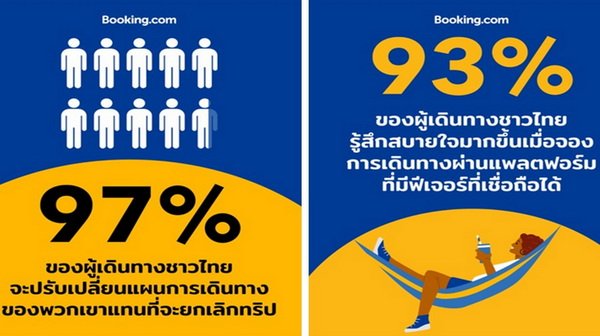
หากต้องเผชิญกับสถานการณ์ที่ทำให้แผนการเดินทางต้องเปลี่ยนไป 97% ของผู้เดินทางชาวไทยยังคงเลือกที่จะปรับแผนของพวกเขาแทนที่จะยกเลิกการเดินทาง (เทียบกับ 90% ของผู้เดินทางในภูมิภาคเอเชียแปซิฟิก) และเมื่อแผนการเดินทางต้องมีการเปลี่ยนแปลง พวกเขามักจะมองหาตัวเลือกอื่น ๆ มาทดแทนอย่างการเลือกจุดหมายปลายทางที่มอบบรรยากาศหรือประสบการณ์ใกล้เคียงกับความตั้งใจเดิม (27%) ขณะที่บางส่วนเลือกที่จะเลื่อนการเดินทางออกไป (18%) รวมถึงปรับช่วงเวลาหรือระยะเวลาของการเดินทาง (17%)
ทว่า ทัศนคติของผู้เดินทางในแต่ละประเทศมีความแตกต่างกัน อย่างผู้เดินทางชาวญี่ปุ่นมีแนวโน้มที่จะยกเลิกการเดินทางมากที่สุด (26%) ขณะที่ผู้เดินทางชาวไทยมักแสดงให้เห็นถึงความมุ่งมั่นที่จะเดินทาง โดยมีเพียง 3% เท่านั้นที่จะยกเลิกทริปของพวกเขา
ความไว้ใจ เทคโนโลยี และความยืดหยุ่น ช่วยให้ผู้เดินทางวางแผนและสำรวจโลกกว้างได้อย่างมั่นใจ
เครื่องมือดิจิทัลกลายเป็นส่วนสำคัญในการเดินทางยุคปัจจุบัน โดย 88% ของผู้เดินทางชาวไทยระบุว่าเครื่องมือเหล่านั้นช่วยให้การวางแผนและการจองการเดินทางง่ายกว่าเดิม พวกเขายังหันมาใช้เทคโนโลยีมากขึ้นเพื่อเป็นตัวช่วยในการตัดสินใจเลือกเดินทางด้วยข้อมูลมากยิ่งขึ้น โดย 4 ใน 5 (80%) รายงานว่าเครื่องมือดิจิทัล เช่น เสิร์ชเอนจิน (Search Engine) แพลตฟอร์มจองการเดินทาง รวมถึงเครื่องมือ AI ช่วยให้พวกเขาค้นหาและเปรียบเทียบตัวเลือกการเดินทางได้ง่ายขึ้น ขณะที่ 71% ระบุว่าเครื่องมือดิจิทัลเหล่านี้ยังทำให้พวกเขาได้ค้นพบจุดหมายปลายทางและประสบการณ์ใหม่ ๆ อีกด้วย
เมื่อพูดถึงเรื่องการจองการเดินทาง ความไว้วางใจยังเป็นปัจจัยที่สำคัญที่สุด และแพลตฟอร์มการเดินทางยังคงเป็นช่องทางหลักที่ผู้เดินทางให้ความเชื่อมั่น ซึ่ง 93% ของผู้เดินทางชาวไทยระบุว่าพวกเขารู้สึกสบายใจมากขึ้นเมื่อจองการเดินทางผ่านแพลตฟอร์มที่น่าเชื่อถือ ขณะที่ผู้เดินทางหันมาใช้เทคโนโลยีเพิ่มขึ้นเพื่อลดความยุ่งยากในการเดินทางลงและใช้ประโยชน์จากทริปได้อย่างคุ้มค่ามากที่สุด ดังนั้นแพลตฟอร์มที่รวบรวมทั้งแรงบันดาล การเปิดประสบการณ์ใหม่ ๆ ความมั่นใจในการเดินทาง และมีขั้นตอนการจองที่สะดวกจึงจะยิ่งมีบทบาทสำคัญที่จะทำให้ผู้เดินทางเปลี่ยนแผนการเดินทางธรรมดา ๆ ให้คุ้มค่าและน่าจดจำมากยิ่งขึ้น
“รายงานฉบับนี้สะท้อนให้เห็นได้อย่างชัดเจนว่าการเดินทางไม่ได้เป็นเพียงการออกไปพักผ่อนหรือหลีกหนีจากชีวิตประจำวันสำหรับผู้เดินทางจากภูมิภาคเอเชียแปซิฟิกเท่านั้น แต่ยังหมายถึงการทำให้ตัวเองรู้สึกดีขึ้น มีบางสิ่งให้รอคอย ได้กลับมาเชื่อมสัมพันธ์กับผู้คนและสิ่งต่าง ๆ รวมถึงมีความมั่นใจที่จะออกไปค้นพบประสบการณ์ใหม่ ๆ แม้ในช่วงเวลาที่โลกเต็มไปด้วยความไม่แน่นอน” Laura Houldsworth ผู้ดำรงตำแหน่ง Managing Director, Asia Pacific ที่ Booking.com กล่าวและเสริมว่า “ในฐานะที่ได้เป็นส่วนหนึ่งของพันธกิจที่ต้องการช่วยให้ผู้คนออกสำรวจโลกกว้างได้อย่างง่ายดายยิ่งขึ้น พวกเรามุ่งมั่นที่จะช่วยให้ผู้เดินทางสามารถวางแผนและจองการเดินทางได้อย่างมั่นใจ เพื่อที่พวกเขาจะได้ไม่ต้องเสียเวลาไปกับความยุ่งยากต่าง ๆ และได้จดจ่อกับการสร้างประสบการณ์ที่จะทำให้การเดินทางของพวกเขาน่าประทับใจมากยิ่งขึ้น”
Travel Plans are a Source of Emotional Support! A Report on The Travel Happiness index…
* Booking.com reveals that travel remains important for the mental and emotional well-being of travelers.
* Thai travelers stated that having a planned trip helped improve their mood.
* A survey of 10 countries in the Asia-Pacific region shows that travel remains an important source of happiness and rejuvenation.
* And it builds relationships, even as travelers adapt to cope with uncertainty.
* Travel plays a significant role in the mental and emotional well-being of many travelers.
Thai travelers remain committed to traveling despite disruptions or uncertainties, with only 3% indicating they would cancel their trips, while most would adjust their travel plans to suit the situation instead.
The growing sense of fulfillment among Thai travelers doesn’t just come from packed itineraries or achieving desired goals, but from discovering simple and meaningful moments along the way.
Booking.com has released its Travel Happiness Index report *. The Travel Happiness Index is a new report that delves into the emotional, financial, and social drivers that influence travel decisions among travelers in the Asia-Pacific (APAC) region amidst global uncertainty. The survey is based on in-depth data collected from over 10,000 travelers across 10 Asia-Pacific countries to examine what makes travel a memorable, stress-free, and worthwhile experience for them.
This travel happiness index report compiles data from travelers in two dimensions: the key factors they consider to contribute to a good trip, and the factors they prioritize most when making decisions. Analysis of these two dimensions reveals that travel happiness is not solely dependent on the experiences travelers seek, but also includes the confidence, comfort, and reassurance that enhance those experiences.
Travel brings joy, but the joy of waiting is equally meaningful.
Travelers in the Asia Pacific region indicate that going on trips is not only important to them but also brings them joy even before the trip begins. For Thai travelers (100%), travel generates positive feelings, with many viewing it as playing a significant role in their mental and emotional well-being. Furthermore, in addition to considering travel as rejuvenating, 86% of Thai travelers reported that thinking about a planned trip improves their mood, and three -quarters (75%) indicated that anticipating the upcoming trip helps them cope with daily responsibilities. Not only that, but planning a trip enhances the sense of anticipation, with 56% of Thai travelers finding it enjoyable to plan their own trip.
However, travel also presents challenges, with some Thai travelers stating that each trip leaves them feeling tired or exhausted (26%), pressured to make the most of their trip (24%), and feeling insecure (21%) and anxious (12%).
These feelings vary by region, with South Korean travelers most likely to have negative feelings about travel (79%), followed by Indian travelers (71%) and Japanese travelers (64%). Conversely, Chinese travelers tend to have the most positive feelings about travel, with over half (59%) reporting that they have never had any negative feelings about travel at all.
Today, travelers strive to balance their desire for memorable travel experiences with their expectations regarding travel details, as well as the realities and limitations of modern travel. Therefore, a smooth, hassle-free, and stress-free trip is just as important as the overall experience itself.
Simplicity is the key to the new form of ” value for money.”
Thai travelers are beginning to discover that increased satisfaction doesn’t come solely from packed itineraries or achieving desired goals, but rather from simple and meaningful moments during their travels. Appreciating natural scenery (38%) , savoring quality food and beverages (27%), and spending quality time with travel companions (26%) all contribute to increased travel satisfaction. Food, in particular, is a special source of pleasure for travelers from Japan, Singapore, South Korea, Vietnam, and Thailand.
Furthermore, a key element of a truly enjoyable trip is building relationships, whether with fellow travelers, family, or the people and places you meet along the way. 69% of Thai travelers indicated that family trips were the most enjoyable for them.
The redefinition of what makes a trip worthwhile is transforming the way Thai travelers plan their trips, emphasizing purpose and values more than ever before.
More than three – quarters (76%) prioritize tasting local food to add to their memorable trip experience.
– 72% of Thai travelers choose their travel dates or destinations based on promotions or special deals.
– 72% of them would choose to travel for longer periods in order to have more time to rest, recharge, and fully immerse themselves in the atmosphere of their destination.
– The travel trend focused on creating memorable experiences also influences travelers’ accommodation choices. Vacation homes, apartments, and unique accommodations remain popular among travelers across the Asia Pacific region, with 35% citing value for money as a key reason for choosing these types of properties. Another 29% reported that these accommodations allow them to truly experience their destination and get closer to the local way of life, enabling them to engage with the community and culture of the places they visit.
Uncertainty has changed travel behavior, but it hasn’t stopped people from traveling.
Despite concerns about extreme weather (42%), health and hygiene risks (26%), crime (33%), inflation (40%), and political instability (21%), these factors had little impact on causing Thai travelers to cancel their trips, as they remained prepared and committed to traveling.
However, while cost is a significant factor in decision-making, many travelers strive to make their trips more worthwhile and meaningful through careful planning, seeking out better deals, or making more thoughtful choices. 69% of Thai travelers stated that they are confident they can manage their travel budget better than before.
When faced with situations that force changes to their travel plans, 97% of Thai travelers still choose to adjust their plans rather than cancel their trips (compared to 90% of travelers in the Asia Pacific region). And when travel plans need to be changed, they tend to look for alternative options, such as choosing a destination that offers an atmosphere or experience similar to their original intention (27%), while some choose to postpone their trips (18%), or adjust the timing or duration of their trips (17%).
However, traveler attitudes vary from country to country. Japanese travelers are most likely to cancel their trips (26%) , while Thai travelers tend to show a strong commitment to their travels, with only 3% canceling their trips.
Trust, technology, and flexibility empower travelers to plan and explore the world with confidence.
Digital tools have become an essential part of modern travel, with 88% of Thai travelers stating that they make planning and booking trips easier. They are also increasingly using technology to help them make informed travel decisions, with four out of five (80%) reporting that digital tools such as search engines, travel booking platforms, and AI help them easily find and compare travel options. Meanwhile, 71% indicated that these digital tools have also helped them discover new destinations and experiences.
When it comes to booking travel, trust remains the most important factor, and travel platforms continue to be the primary channel travelers trust. 93% of Thai travelers reported feeling more comfortable booking through reliable platforms. As travelers increasingly utilize technology to simplify travel and maximize their trips, platforms that combine inspiration, new experiences, travel confidence, and convenient booking processes will play an increasingly crucial role in transforming ordinary trips into memorable and rewarding experiences.
“ This report clearly reflects that travel is not just about relaxing or escaping daily life for travelers in the Asia-Pacific region, but also about making oneself feel better, having something to look forward to, reconnecting with people and things, and gaining the confidence to discover new experiences, even in times of global uncertainty. ”Laura Houldsworth, Managing Director, Asia Pacific at Booking.com, said and added, “ As part of our mission to help people explore the world more easily, we are committed to helping travelers plan and book their trips with confidence, so they don’t have to waste time on hassle and can focus on creating memorable travel experiences.”

