




เฉิงตู, จีน : ในระหว่าง 23-27กรกฎาคมที่ผ่านมา โครงการ “Discover China: International Media Tour of Aba” ได้นำคณะผู้แทนสื่อมวลชนนานาชาติเดินทางไปยังเขตปกครองตนเองชนชาติทิเบตและเชียง อาป้า (Aba Tibetan and Qiang Autonomous Prefecture) ในมณฑลเสฉวน ประเทศจีน เพื่อสัมผัสพัฒนาการของพื้นที่ในหลากหลายมิติ
“Discover China” เป็นโครงการสื่อสารมวลชนระดับนานาชาติที่มีความสำคัญ ริเริ่มโดยศูนย์ข้อมูลและข่าวสารของสำนักข่าวซินหัว โดยผู้แทนสื่อมวลชนจำนวน 10 คน จากสื่อกระแสหลักใน 9 ประเทศ รวมถึงอาเซอร์ไบจานและคีร์กีซสถาน ได้เดินทางเยือนอำเภอหงหยวน อำเภอรัวเอ่อร์ไก อำเภอซงพาน และอำเภอเหมา เพื่อสำรวจและศึกษาพื้นที่เชิงลึก พร้อมถ่ายทอดเรื่องราวการพัฒนาของดินแดนที่ราบสูงอันปกคลุมด้วยหิมะแห่งนี้จากมุมมองของสื่อมวลชนนานาชาติ โดยมุ่งเน้นประเด็นสำคัญ ได้แก่ การอนุรักษ์ระบบนิเวศบนที่ราบสูง การขับเคลื่อนการฟื้นฟูชนบท รวมถึงการสืบสานวัฒนธรรมของชนชาติทิเบตและเชียง
ณ ศูนย์การบินระดับต่ำรัวเอ่อร์ไก (Ruoergai Low-Altitude Flight Center) คณะสื่อมวลชนได้สัมผัสพัฒนาการของอุตสาหกรรมบนที่ราบสูงรูปแบบใหม่ โดยอำเภอรัวเอ่อร์ไกเป็นเขตนำร่องเศรษฐกิจการบินระดับต่ำในพื้นที่สูงแห่งแรกของจีน และเป็นหนึ่งในอำเภอแรกของมณฑลเสฉวนที่บุกเบิกการบริหารจัดการการบินระดับต่ำ โดยใช้ประโยชน์จากน่านฟ้าอันกว้างใหญ่และทุ่งหญ้าอันอุดมสมบูรณ์ เพื่อพัฒนารูปแบบการใช้งานที่หลากหลาย ทั้งการท่องเที่ยวเชิงวัฒนธรรม การติดตามตรวจสอบระบบนิเวศ การกู้ภัยฉุกเฉิน และการศึกษาด้านการบิน ซึ่งภาคอุตสาหกรรมเกิดใหม่เหล่านี้กำลังสร้างแนวทางใหม่ของการพัฒนาสีเขียวบนที่ราบสูง ผู้สื่อข่าวจากทาจิกิสถานกล่าวว่า “ทริปนี้มอบประสบการณ์ที่คุ้มค่าอย่างยิ่ง ทั้งการชมการสาธิตโดรนและการขึ้นบินด้วยเฮลิคอปเตอร์ล้วนเป็นประสบการณ์ที่แปลกใหม่และน่าประทับใจ ทำให้สัมผัสได้ถึงศักยภาพของอุตสาหกรรมเกิดใหม่ที่กำลังเติบโตอย่างรวดเร็วในภูมิภาคแห่งนี้”
ณ บริษัทเวสเทิร์นแย็กอินดัสทรีกรุ๊ป (Western Yak Industry Group) ผู้ผลิตและแปรรูปผลิตภัณฑ์จากจามรี คณะสื่อมวลชนได้เยี่ยมชมอุตสาหกรรมบนที่ราบสูงที่มีบทบาทสำคัญในการสร้างรายได้ให้แก่ชุมชนท้องถิ่น โดยได้ชมโรงงานผลิตอัตโนมัติเต็มรูปแบบ พร้อมศึกษากระบวนการแปรรูปผลิตภัณฑ์นมจามรีที่ได้มาตรฐานในทุกขั้นตอน บริษัทได้จัดตั้งสถานีรับซื้อน้ำนมเคลื่อนที่จำนวน 65 แห่ง และสถานีรวบรวมน้ำนมส่วนกลางอีก 2 แห่ง เพื่อสร้างเครือข่ายรับซื้อน้ำนมสดที่มีประสิทธิภาพ ครอบคลุมพื้นที่ในรัศมี 300 กิโลเมตร ก่อนนำน้ำนมจามรีจากที่ราบสูงมาแปรรูปเป็นผลิตภัณฑ์คุณภาพสูงที่มีเอกลักษณ์เฉพาะ อันเป็นแรงขับเคลื่อนสำคัญในการยกระดับอุตสาหกรรมปศุสัตว์บนทุ่งหญ้า ด้วยมาตรฐานคุณภาพที่เข้มงวดและความมุ่งมั่นในการสร้างประโยชน์ให้แก่ชุมชนท้องถิ่น บริษัทจึงได้รับเสียงชื่นชมจากคณะผู้แทนสื่อมวลชนที่เข้าร่วมกิจกรรมครั้งนี้
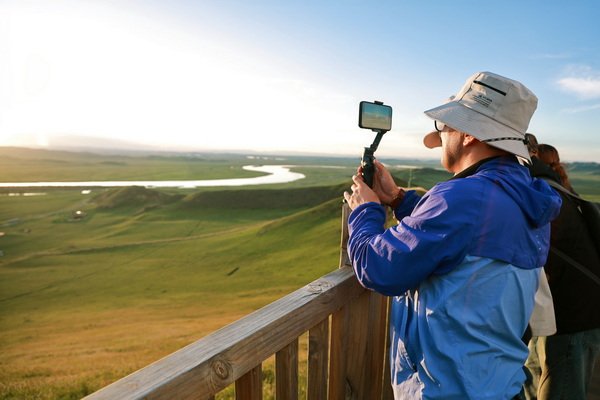
นอกจากนี้ คณะผู้แทนสื่อมวลชนยังได้ร่วมชมความงดงามของพระอาทิตย์ตก ณ โค้งแรกของแม่น้ำเหลือง (First Bend of the Yellow River) ซึ่งแสงอาทิตย์สีทองสาดส่องเหนือสายน้ำคดเคี้ยว หลอมรวมผืนทุ่งหญ้าและแม่น้ำให้กลายเป็นทัศนียภาพอันงดงามตระการตา บริเวณนี้เป็นช่วงเดียวของแม่น้ำเหลืองที่ไหลผ่านมณฑลเสฉวน และเป็นปราการทางนิเวศวิทยาที่สำคัญสำหรับการอนุรักษ์ทรัพยากรน้ำบริเวณรอยต่อของมณฑลเสฉวน กานซู และชิงไห่ ตลอดหลายปีที่ผ่านมา พื้นที่ดังกล่าวได้ดำเนินโครงการสำคัญต่าง ๆ อาทิ การป้องกันและควบคุมการเสื่อมโทรมของทุ่งหญ้าจนกลายเป็นทะเลทราย และการฟื้นฟูระบบนิเวศพื้นที่ชุ่มน้ำ ขณะเดียวกัน หน่วยงานท้องถิ่นยังได้พัฒนาสิ่งอำนวยความสะดวกสำหรับการท่องเที่ยวและการชมทัศนียภาพ ควบคู่กับการรักษาสมดุลระหว่างการอนุรักษ์ระบบนิเวศกับการพัฒนาการท่องเที่ยวบนที่ราบสูง ผู้สื่อข่าวจากจอร์เจียกล่าวว่า “พระอาทิตย์ตกที่นี่งดงามจับตา และแนวทางการอนุรักษ์พื้นที่ชุ่มน้ำของที่นี่ถือเป็นแบบอย่างที่มีคุณค่าสำหรับการอนุรักษ์และการบริหารจัดการระบบนิเวศในระดับโลก”
ณ อุทยานหวงหลง (Huanglong Scenic and Historic Interest Area) ซึ่งได้รับการขึ้นทะเบียนเป็นแหล่งมรดกโลกโดยยูเนสโก เป็นที่ตั้งของสระน้ำห้าสี ที่ระดับความสูง 3,576 เมตร ประกอบด้วยแอ่งหินปูนหลากสีสันจำนวน 693 แห่ง เรียงรายราวกับสร้อยไข่มุกหลากสีที่ประดับอยู่ท่ามกลางผืนป่าอันบริสุทธิ์ เพื่อรับมือกับความท้าทายด้านการอนุรักษ์ ทั้งระดับน้ำผิวดินที่ลดลงและการเปลี่ยนสีของหินปูน อุทยานหวงหลงได้ดำเนินโครงการอนุรักษ์และฟื้นฟูหินปูน โดยพื้นที่หินปูนกว่า 40,000 ตารางเมตรได้รับการบูรณะและปกป้อง เพื่อรักษาระเบียงหินปูนตามธรรมชาติอันหายากให้คงอยู่ในระยะยาว นอกจากนี้ วัดหวงหลง ซึ่งมีประวัติศาสตร์ยาวนานกว่า 600 ปี ยังเป็นหลักฐานสะท้อนการหลอมรวมทางวัฒนธรรมระหว่างชนชาติทิเบต เชียง หุย และฮั่น ขณะที่งานวัดหวงหลง ซึ่งมีต้นกำเนิดมาตั้งแต่สมัยราชวงศ์หมิง ยังคงเป็นหนึ่งในเทศกาลวัฒนธรรมและประเพณีพื้นบ้านที่มีชื่อเสียงที่สุดของพื้นที่ทางตะวันตกเฉียงเหนือของมณฑลเสฉวน
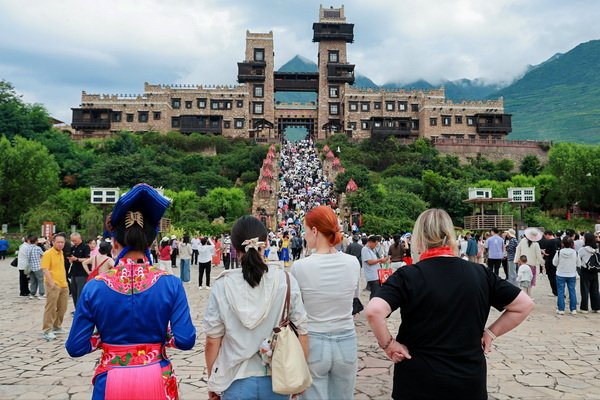
ณ เมืองโบราณชนชาติเชียง (Ancient Qiang City of China) ในอำเภอเหมา พิธีเปิดเมืองครั้งยิ่งใหญ่ถือเป็นกิจกรรมปิดท้ายของโครงการนี้ ท่ามกลางเสียงแตรและกลองดังกึกก้อง นักบวชชนชาติเชียงได้ประกอบพิธีกรรมบูชายัญตามประเพณีโบราณ ขณะที่นักรบชนชาติเชียงยืนเรียงแถวอย่างสง่างาม และริบบิ้นสีแดงถูกนำมาใช้เพื่อต้อนรับแขกผู้มาเยือน บรรยากาศอันเปี่ยมด้วยมนต์เสน่ห์ของวัฒนธรรมเชียงโบราณ เปิดโอกาสให้คณะสื่อมวลชนได้สัมผัสและเข้าใจอย่างลึกซึ้งถึงความหลากหลายและคุณค่าของมรดกทางชาติพันธุ์ โดยอำเภอเหมา ซึ่งเป็นพื้นที่ที่มีชุมชนชาวเชียงขนาดใหญ่ที่สุดในประเทศจีน ได้ฟื้นฟูและถ่ายทอดมรดกทางวัฒนธรรมผ่านการแสดงสด “ย้อนรอยวัฒนธรรมเชียงโบราณ” เพื่อทำให้วัฒนธรรมเชียงกลับมามีชีวิตชีวาอีกครั้งในยุคปัจจุบัน
เขตปกครองตนเองชนชาติทิเบตและเชียง อาป้า ตั้งอยู่ทางตะวันตกเฉียงเหนือของมณฑลเสฉวน บริเวณขอบด้านตะวันออกเฉียงใต้ของที่ราบสูงชิงไห่-ซีจ้าง มีพื้นที่ครอบคลุม 84,200 ตารางกิโลเมตร และมีประชากรเกือบ 900,000 คน โดยชาวทิเบตมีสัดส่วนราว 60% ของประชากรทั้งหมด สะท้อนให้เห็นถึงเอกลักษณ์ด้านความหลากหลายทางชาติพันธุ์ของพื้นที่ ทั้งนี้ เขตปกครองตนเองอาป้าเป็นปราการทางนิเวศวิทยาที่สำคัญบริเวณต้นน้ำของทั้งแม่น้ำแยงซีและแม่น้ำเหลือง ทั้งยังเป็นที่ตั้งของพื้นที่ชุ่มน้ำรัวเอ่อร์ไก ซึ่งเป็นพื้นที่ชุ่มน้ำบนที่ราบสูงที่ใหญ่ที่สุดของจีน รวมถึงอุทยานจิ่วจ้ายโกว และอุทยานหวงหลง แหล่งมรดกทางธรรมชาติที่มีชื่อเสียงระดับโลก
Discover China International Media Tour of Aba
The News and Information Center of Xinhua News Agency, CHENGDU, China : From July 23 to 27, the “Discover China: International Media Tour of Aba” field trip brought international journalists to Aba Tibetan and Qiang Autonomous Prefecture in Sichuan Province.
“Discover China” is a major international communication initiative launched by the News and Information Center of Xinhua News Agency. Ten journalists from mainstream media outlets in nine countries, including Azerbaijan and Kyrgyzstan, traveled across Hongyuan County, Ruoergai County, Songpan County, and Mao County. Focusing on themes such as highland ecological conservation, rural revitalization, and the preservation of Tibetan and Qiang cultures, they conducted in-depth research and documented the development of the snow-covered plateau from an international perspective.
At the Ruoergai Low-Altitude Flight Center, the media delegation witnessed a new exploration of highland industries. As China’s first pilot zone for the low-altitude economy in high-altitude regions and one of the first counties in Sichuan to pioneer low-altitude operations management, Ruoergai County is leveraging its vast airspace and abundant grassland resources to develop diverse application scenarios, including cultural tourism sightseeing, ecological monitoring, emergency rescue, and aviation education. These emerging sectors are opening up a new pathway for green development on the plateau. “The trip was incredibly rewarding. The drone and helicopter experiences were both novel and impressive, allowing me to feel the pulse of the region’s fast-growing industries,” said a journalist from Tajikistan.
At the Western Yak Industry Group, the delegation explored a distinctive highland industry that boosts local incomes. Journalists visited fully automated production workshops and observed the standardized processing of yak milk products throughout the entire process. The company has established 65 mobile milk collection stations and two central milk stations across the region, creating a fresh milk procurement network covering a radius of 300 kilometers. By turning highland yak milk resources into high-quality specialty products, the company is driving the transformation of grassland animal husbandry. Its stringent quality standards and commitment to benefiting local communities earned widespread acclaim from the visiting journalists.
When the delegation arrived at the First Bend of the Yellow River, they were greeted by a spectacular sunset. Golden sunlight spread across the “S”-shaped curves of the Yellow River, blending the grasslands and waterways into a breathtaking panorama. This area is the only stretch of the Yellow River flowing through Sichuan Province and serves as a vital ecological barrier for water conservation at the junction of Sichuan, Gansu, and Qinghai. Through initiatives such as grassland desertification control and wetland restoration, local authorities have upgraded viewing facilities while balancing ecological protection with highland sightseeing tourism. “The sunset here is visually stunning, and the wetland conservation practices offer a valuable model for global ecological governance,” said a journalist from Georgia.
The Huanglong Scenic and Historic Interest Area, a UNESCO World Heritage Site, is home to the Five-Color Ponds at an altitude of 3,576 meters. Comprising 693 colorful travertine pools, the site resembles a string of multicolored pearls scattered through a pristine forest. In response to challenges such as declining surface water levels and travertine darkening, the scenic area has implemented travertine conservation initiatives. More than 40,000 square meters of travertine formations have been restored and protected, ensuring the long-term preservation of these rare natural terraces. With a history spanning more than 600 years, Huanglong Temple (Rear) bears witness to the cultural integration of Tibetan, Qiang, Hui, and Han communities. The Huanglong Temple Fair, which originated in the Ming Dynasty, remains one of the most renowned cultural tourism and folk traditions in northwestern Sichuan.
At the Ancient Qiang City of China in Mao County, a grand city-opening ceremony marked a spectacular finale to the media tour. Amid the sound of horns and drums, Shibi – traditional Qiang priests – presided over ancient sacrificial rituals, while Qiang warriors stood in formation and Qiang red ribbons welcomed guests. The rich atmosphere of ancient Qiang culture offered journalists a profound insight into the richness of this ethnic heritage. Home to the largest Qiang ethnic community in China, Mao County has revitalized its ancient traditions through the immersive live performance In Search of the Ancient Qiang, bringing the Qiang culture back to life in the modern era.
Located in northwestern Sichuan Province on the southeastern edge of the Qinghai-Xizang Plateau, Aba Tibetan and Qiang Autonomous Prefecture spans 84,200 square kilometers and has a population of nearly 900,000. Tibetan people account for approximately 60 percent of the population, highlighting the prefecture’s distinctive multi-ethnic character. Aba Prefecture serves as a vital ecological barrier in the upper reaches of both the Yangtze and Yellow rivers. It is home to Ruoergai Wetland, China’s largest plateau marsh, as well as world-renowned natural heritage sites including Jiuzhaigou Valley and Huanglong scenic and historic interest areas.

